Google Cloud Performance Depends on More Than Infrastructure
- JUNE 22ND, 2026
- 2min read

Introduction
Understanding the Landscape
CIL Perspective
CIL Solution
Introduction
According to the Google Cloud and DORA 2024 Accelerate State of DevOps Report, high-performing cloud environments are more likely to combine strong infrastructure with continuous operational practices, including monitoring, maintenance, and regular performance reviews.
Google Cloud is designed to deliver speed, scalability, and flexibility. Infrastructure can expand quickly, workloads can be distributed efficiently, and services can support rapid growth across teams and regions. For many organisations, that capability is exactly what drives adoption.
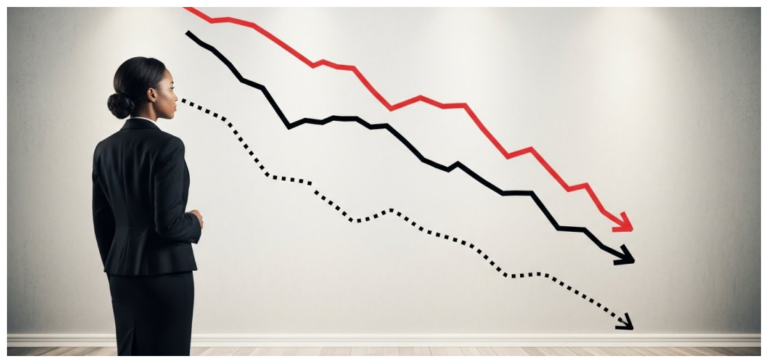
Yet strong infrastructure alone does not guarantee consistent performance. Many environments continue running while underlying issues like inefficient resource allocation, delayed maintenance, recurring alerts that go unresolved, or workloads that no longer match current demand build gradually.
Understanding the Landscape
Google Cloud environments evolve quickly. Teams launch new services, expand workloads, connect additional applications, and increase data processing over time. Infrastructure decisions made at one stage of growth are not always revisited as the environment moves to the next.
Resources sized for earlier demand continue running long after business needs have changed. Monitoring tools generate alerts, but repeated issues can become normalised rather than fully resolved. Over time, manual intervention becomes a regular part of keeping the environment stable, and it is a sign that the environment is being managed reactively rather than proactively.
CIL Perspective
From what we see, organisations focus heavily on deployment speed and scalability in the early stages of adoption. Less attention is given to how workloads behave over time as usage patterns shift across teams and applications. This is often where performance begins to decline gradually; resources continue operating under old assumptions while demand, architecture, and dependencies keep changing around them.
Performance management in Google Cloud depends equally on how consistently the environment is reviewed, maintained, and adjusted as it evolves. Without that continuity, even well-designed infrastructure begins to underperform.
CIL Solution
Maintaining performance in Google Cloud requires continuous attention across workloads, infrastructure, and daily operations as the environment grows and changes.
1. Cloud Security and Operational Monitoring
Monitoring supports active response, with recurring issues investigated and resolved before they affect user experience or system stability.
2. Continuous Compliance and Cost Optimisation
Resource usage, configurations, and cloud spend are reviewed continuously to prevent inefficiencies from accumulating over time.
3.Cloud Operations & Maintenance
Scaling, patching, updates, backups, and recovery processes are maintained consistently to support stable, long-term performance.
Conclusion
Google Cloud infrastructure is built to support growth, flexibility, and scale. But sustaining performance over time depends on more than the infrastructure itself.
As environments expand, workloads change, and operational demands increase. Small inefficiencies that go unaddressed gradually affect overall performance, and by the time they become visible, they are rarely simple to resolve.
Consistent review and active management are what keep a Google Cloud environment performing in line with the demands placed on it.

Never miss a CIL Chronicle
Be the first to know about new CIL Thought Leadership releases
