Google Workspace Is Easy to Deploy But Harder to Govern at Scale
- JULY 27TH, 2026
- 2min read

Introduction
Understanding the Landscape
CIL Perspective
CIL Solution
Introduction
According to Google, organisations using Google Workspace continue to manage growing collaboration activity across shared drives, external sharing, and distributed teams as hybrid work becomes more established.
Google Workspace is designed to make collaboration simple. Teams can communicate quickly, share files instantly, and work across locations without complex infrastructure. For most organisations, getting started is straightforward, and adoption moves fast.
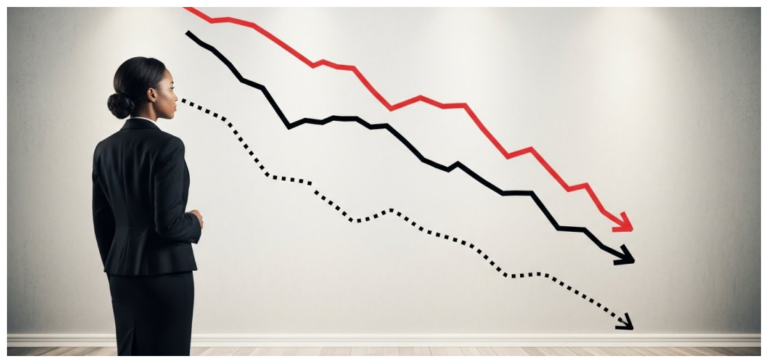
The challenge begins as usage expands. More shared drives are created, external sharing increases, permissions accumulate across teams, and user access changes continuously. The environment stays productive, but governance becomes harder to maintain at the same pace as collaboration grows.
Understanding the Landscape
Google Workspace environments grow quickly because collaboration itself grows quickly. New employees are onboarded, departments create their own workspaces, and files move continuously across teams, devices, and external users.
Most of this activity appears harmless in isolation. Over time, visibility reduces, access expands, and administrators find themselves reacting to issues rather than reviewing the environment proactively. The platform continues working, but governance becomes increasingly difficult to maintain consistently at scale.
CIL Perspective
From what we see, organisations tend to focus first on enabling productivity and access. Less attention is given to how permissions, shared data, and user activity should be reviewed on an ongoing basis after deployment. This is where governance gaps begin to appear. Access structures that worked well initially may no longer reflect current teams, projects, or external relationships, while sharing practices expand gradually, and administrative reviews happen less frequently than the environment changes.
Governance is not a one-time configuration. It needs to keep pace with how collaboration actually develops across the organisation.
CIL Solution
Managing Google Workspace at scale requires continuous attention to access, collaboration activity, security, and administrative control, and not just at deployment, but as the environment evolves.
1. User and Access Management
User access, permissions, and administrative privileges are reviewed regularly to ensure they reflect current roles and responsibilities across the organisation.
2. Collaboration and Sharing Governance
Shared drives, external sharing settings, and file access are monitored continuously to maintain visibility and reduce unnecessary exposure.
3. Security and Operational Monitoring
Alerts, suspicious activity, and configuration changes are tracked consistently to support faster response and stronger environment control.
4. Ongoing Administration and Maintenance
Account management, policy updates, security configurations, and platform maintenance continue alongside organisational growth.
Conclusion
Google Workspace makes collaboration faster and more flexible across teams and locations. But as usage expands, maintaining governance becomes more difficult.
Without continuous review and management, visibility reduces while administrative complexity increases. Effective collaboration depends not only on how easily teams can work together but also on how consistently the environment is governed as it grows.

Never miss a CIL Chronicle
Be the first to know about new CIL Thought Leadership releases
