
An AWS Environment Can Be Active and Still Inefficient
- MAY 25TH, 2026
- 3min read
Introduction
Understanding the Landscape
CIL Perspective
CIL Solution
Introduction
According to the Amazon Web Services 2026 State of FinOps Report, reducing waste and improving cloud efficiency remain top priorities for organisations managing AWS environments.
Activity in an AWS environment is easy to mistake for efficiency. Applications are running, workloads are available, and teams continue deploying resources without interruption. On the surface, everything appears stable, but the environment can be drifting away from efficiency without any visible sign of failure.
Inefficiency in AWS appears gradually in resources left running after projects end, storage that continues to grow without review, or instances sized for peak demand that no longer reflect current usage. The environment stays operational, but the costs and resource usage no longer align with what the business actually needs.
Understanding the Landscape
AWS environments are built for speed and flexibility. Teams can provision resources quickly, scale services on demand, and launch workloads with minimal delay. Over time, that same flexibility creates accumulation.
Temporary environments remain active beyond their intended lifespan. Different teams deploy similar resources without visibility into what already exists. Storage expands gradually because very little is removed once deployed. None of this is the result of a single mistake; most situations begin as valid decisions made at different points in time. The challenge is that AWS environments continue to evolve, while reviews of usage, architecture, and cost do not always keep pace.
CIL Perspective
An efficient AWS environment is not defined by uptime or availability alone. It is also shaped by how consistently the environment is reviewed as usage changes.
From what we see, organisations focus heavily on deployment and scalability in the early stages of cloud adoption. Less attention is given to what happens months later, when workloads have expanded across teams, and usage patterns look very different from the original setup. This is where inefficiency tends to build.
AWS environments perform better when reviews become continuous rather than occasional. Without it, the gap between what the environment is doing and what the business needs it to do widens over time.
CIL Solution
Maintaining AWS efficiency requires more than initial deployment and provisioning. As workloads, usage, and business requirements change, the environment needs to be actively managed to keep pace.
1. Well-Architected Framework Review
AWS workloads are regularly reviewed against best practices for cost efficiency, performance, security, and reliability and adjusted where gaps are identified.
2. Continuous Cost Optimisation
Usage patterns, inactive resources, oversized instances, and unnecessary spend are identified and addressed before they accumulate into long-term waste.
3. Cloud Security and Operational Monitoring
Monitoring extends beyond visibility. Alerts, unusual activity, and performance issues receive consistent follow-through and response.
4. Cloud Operations & Maintenance
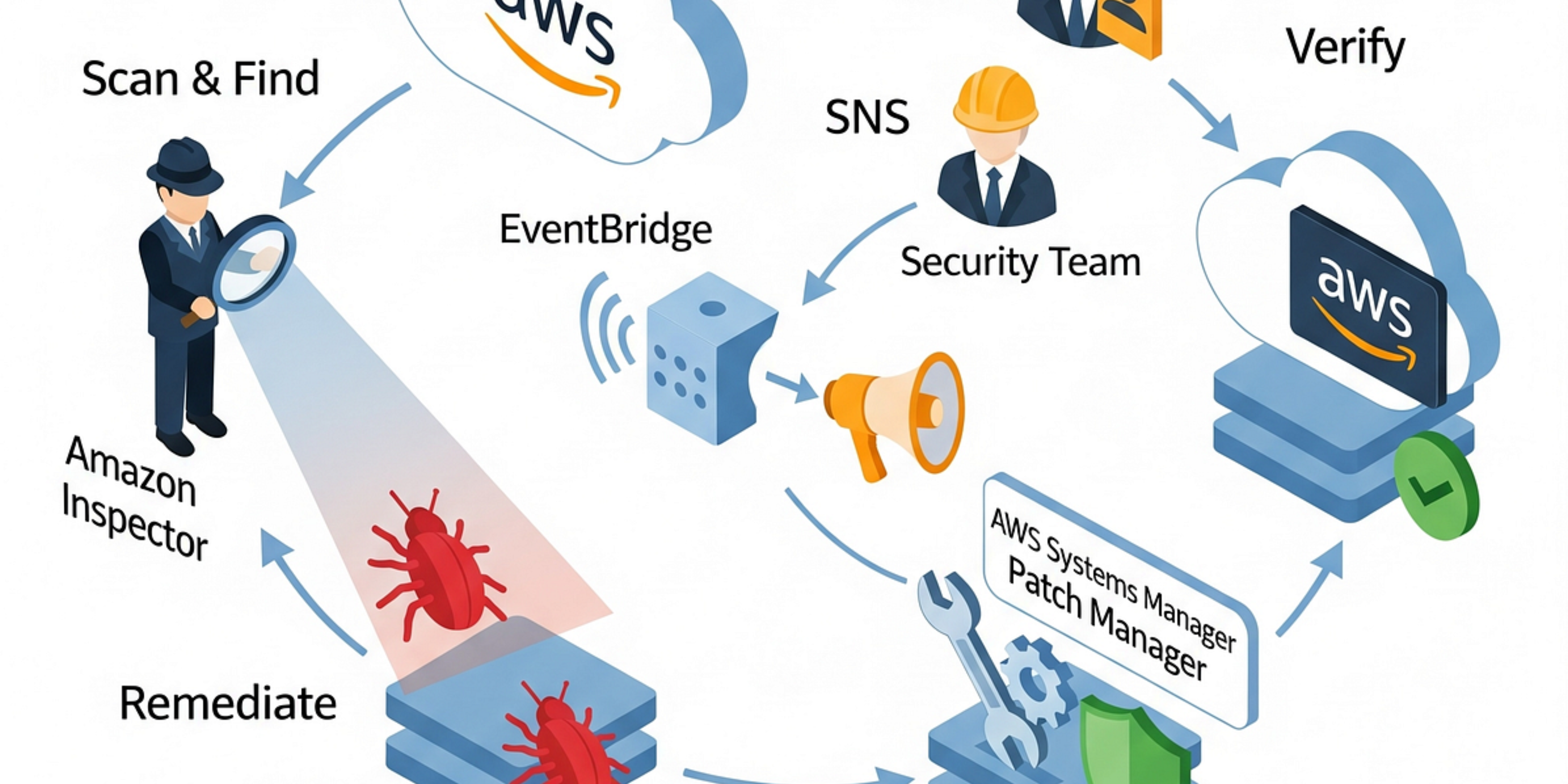
Scaling, patching, backups, updates, and recovery processes are maintained continuously to keep environments stable as they grow.
Conclusion
An AWS environment can remain fully operational while becoming progressively less efficient over time. The challenge is rarely a lack of cloud capability. More often, it is the absence of regular review as environments expand, workloads shift, and usage changes across teams.
Efficiency in AWS is not maintained automatically. It depends on how consistently the environment is managed after deployment, and that is where the difference is made.
Explore more CIL Chronicles


Never miss a CIL Chronicle
Be the first to know about new CIL Thought Leadership releases
