

Identity Crisis – The Rise of PhaaS & MFA Bypass
- MARCH 16TH, 2026
- 2min read
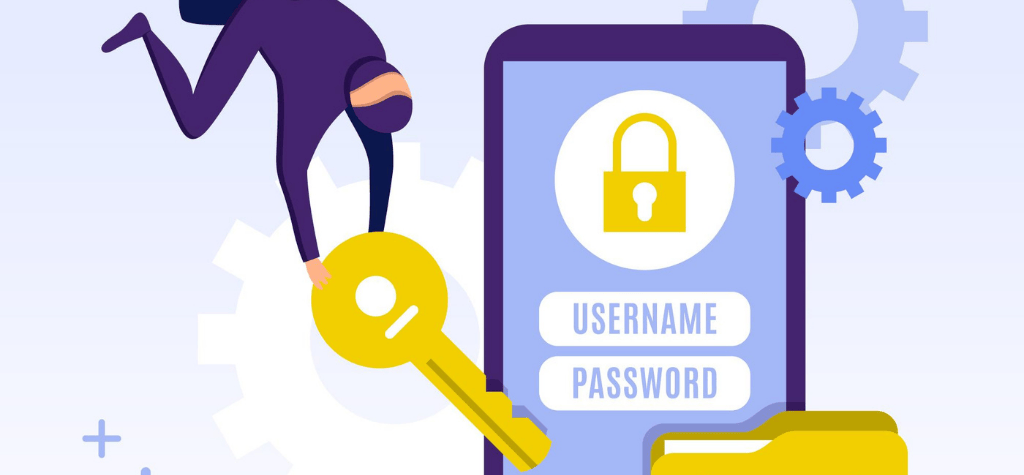
In March 2024, cybersecurity researchers at Sekoia.io discovered a massive surge in the Tycoon2FA PhaaS platform. This kit was used to target thousands of Microsoft 365 and Gmail users by proxying legitimate login pages in real-time. The campaign successfully bypassed MFA for high-value targets by stealing session cookies instead of just passwords. This incident demonstrated that even low-skilled attackers can now purchase the ability to penetrate hardened corporate environments for a small monthly subscription.
How PhaaS Bypasses Your MFA
Unlike traditional phishing that steals static passwords, PhaaS kits use a transparent proxy:
1. Adversary-in-the-Middle (AiTM): The attacker sits between the user and the real service (e.g., Microsoft 365). The user enters their credentials and MFA code into a fake site that looks identical to the real one.
2. Session Token Theft: The PhaaS kit passes the user’s data to the real site, completes the login, and then intercepts the authenticated session cookie.
3. Instant Hijack: The attacker uses this stolen cookie to enter the user’s account directly, completely bypassing the need for a password or a second code for the duration of that session.
Strategic Defense: Hardening the Identity Perimeter
To counter commoditised PhaaS kits, organisations must move toward phishing-resistant identity architectures.
Mandate Phishing-Resistant MFA
Standard MFA (SMS, Voice, and standard Push notifications) is no longer a “silver bullet.”
1. Implement FIDO2/Passkeys: Transition critical users to hardware security keys (e.g., YubiKey) or device-bound passkeys. These methods require a physical “handshake” between the device and the service that cannot be proxied by a PhaaS kit.
2. Restrict “Basic” MFA: Phase out SMS and TOTP (authenticator codes) for high-privilege accounts, as these are the primary targets for AiTM kits.
Enforce Conditional Access & Token Discipline
If a token is stolen, its value must be minimised.
1. Restrict Session Lifespans: Reduce the duration of “Remember Me” sessions for sensitive applications. Shorter lifespans mean a stolen token expires before the attacker can cause significant damage.
2. Device Compliance Checks: Enforce policies that require a device to be “Known” or “Compliant” (Managed by Intune/Jamf) before a session token is valid. An attacker using a stolen token on an unmanaged device will be blocked.
Monitor for Identity Anomalies
Detect the breach at the point of authentication.
1. Impossible Travel Alerts: Flag logins where the physical distance between two consecutive access points is impossible for a human to travel (e.g., a login from Lagos and another from London within 30 minutes).
Explore more CIL Advisories

Backdoor.ClickFix – The Fake Verification Trap
Hackers are increasingly exploiting human trust through a clever social engineering technique known as "ClickFix" (or "Pastejacking"). They trick Microsoft…
AUGUST 31ST, 2026
Read More
Defence Against Living-off-the-Cloud (LotC) & Trusted Infrastructure Abuse
Threat actors are abandoning easily blocked, newly registered domains in favour of hosting their Command and Control (C2) servers and…
AUGUST 24TH, 2026
Read More
Active Exploitation Alert: SharePoint Authentication Bypass
A critical authentication bypass vulnerability in Microsoft SharePoint Server is now under active exploitation following the public release of technical…
AUGUST 19TH, 2026
Read MoreNever miss a CIL Security Advisory
Stay informed with the latest security updates and insights from CIL.
