

Supply Chain Security: Preventing Software and Hardware Breaches
- NOVEMBER 17TH, 2025
- 2min read
Introduction
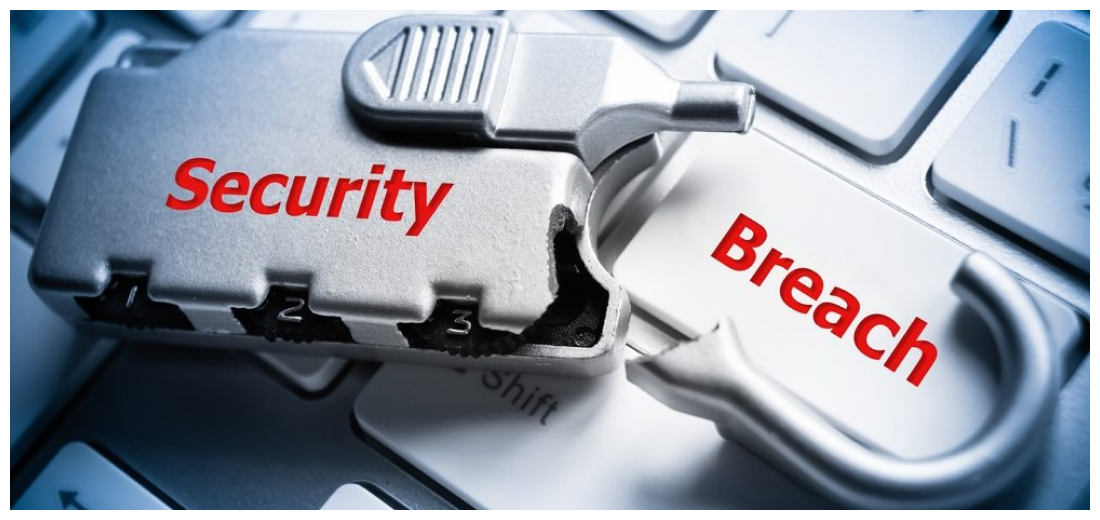
A supply chain attack is an attack strategy that targets an organization through vulnerabilities in its supply chain. These vulnerable areas are usually linked to vendors with poor security practices. A typical example of this type of breach is the 2023 MOVEit data extortion incident, where a critical vulnerability in the MOVEit managed file transfer software triggered a wave of cyberattacks and data breaches.
Supply Chain Attack Categories
Supply chain attacks are often categorized into two major vectors:
- Software Component Compromise (The Digital Vector): An attacker compromises the build pipeline (CI/CD) or repository of a vendor and injects malware into a software artifact, package, or update. This poisoned update is then distributed to all customers.
- Hardware/Firmware Compromise (The Physical Vector): An attacker modifies hardware components or firmware at any stage before the product reaches the customer (e.g., during manufacturing or distribution). This provides a persistent backdoor at the lowest level of the operating system.
How to Prevent Supply Chain Attacks
- Adopt Comprehensive Third-Party Risk Management: Covering the entire risk lifecycle for all vendors: due diligence, continuous monitoring, and structured off-boarding.
- Vendor Compliance: Ensure each of your third-party vendors are compliant with the strictest of cybersecurity standards as outlined in your Third-Party Risk policy.
- Access Scrutiny: Enforce strict Zero Trust for all third-party access, ensuring brokered, tightly scoped, and continuously monitored connections.
- Mandatory MFA: Require the vendor to use MFA for all their employees accessing your data or systems.
- Micro-segmentation: Isolate vendor systems via micro-segmentation to prevent lateral movement of attackers to corporate resources if a vendor system is compromised.
Keywords
- Primary: supply chain security, software supply chain attack, hardware supply chain breach
- Secondary: third-party risk management, MOVEit breach, vendor cybersecurity compliance, zero trust access, micro-segmentation, MFA for vendors, CI/CD pipeline security
Explore more CIL Advisories
Review Bombing Attacks and Extortion
IntroductionMalicious actors use "review-bombing", a coordinated flood of fake, one-star reviews as an initial step for extortion. This high volume…
NOVEMBER 26TH, 2025
Read More
Synthetic Phishing: AI-Enabled Insider Impersonation
IntroductionThreat actors increasingly use artificial intelligence (AI) to impersonate trusted individuals such as executives, employees, or suppliers within organisations. These…
NOVEMBER 24TH, 2025
Read More
The Silent Security Threat: Data Hoarding
IntroductionThe greatest risk to your organization may be the sheer volume of data we hold, a practice known as Data…
NOVEMBER 19TH, 2025
Read MoreNever miss a CIL Security Advisory
Stay informed with the latest security updates and insights from CIL.
