

Preventing Deep Fake Scams
- DECEMBER 9TH, 2024
- 2min read
Introduction
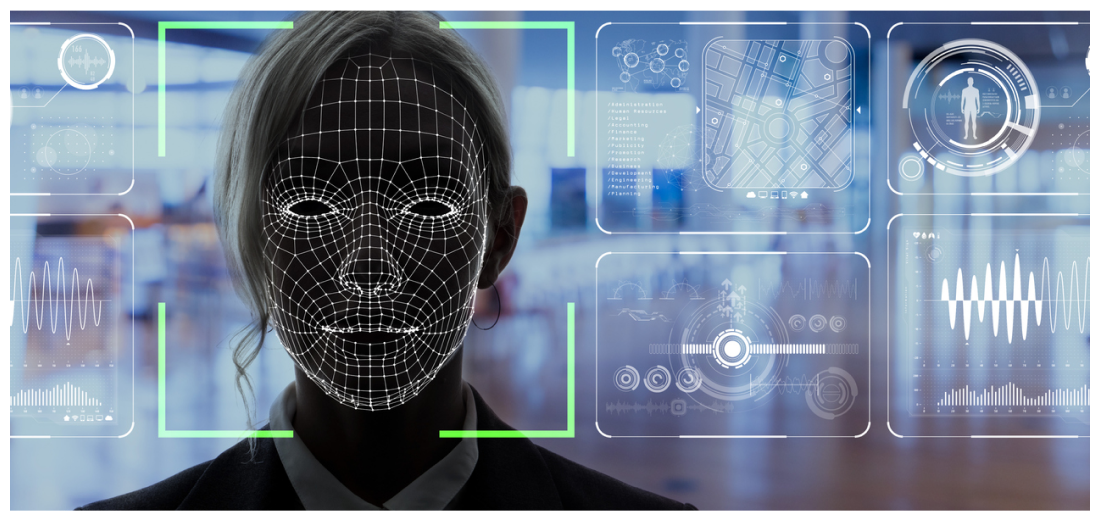
Malicious actors always find creative ways to defraud unsuspecting individuals; deep fake scams are one of the latest ways with the use of AI/ML technologies to create convincing videos or images of real people influencing or endorsing things they did not endorse.
Deepfakes can be used as a tool for social engineering attacks, phishing scams, forging documents, manipulating data, and other crimes that compromise the confidentiality, integrity, and availability of information.
Deep Fake Elon Musk and Piers Morgan and Oprah Winfrey are good examples of impersonation using deep fake scams.
Common Types of Deep Fake Scams
- Impersonation Scams: Videos or audio of trusted figures like CEOs, celebrities, or government officials to manipulate victims.
- Romance Scams: Scammers use deep fake images or videos to create fake profiles on dating sites, manipulating victims emotionally to gain money or personal information.
- Blackmail Scams: Scammers create fake compromising videos of individuals for extortion.
- Disinformation Campaigns: Using deepfakes to spread false information, damaging reputations, or influencing public opinion on political or social issues.
- Financial Fraud: Creating fake videos or audio to authorise fraudulent transactions.
Best Practices
- Liveness Detection: Use features requiring gestures or expressions to distinguish fake from real biometric data.
- Patch Legacy Code: Regularly review, update, and patch legacy identity provisioning/authentication code to address deep fake threats.
- Multiple Biometric Method: Combine biometric methods like facial and voice recognition to enhance security.
- Awareness Training: Stay informed about new scam techniques used by malicious actors.
- Regular Update: Keep devices, apps, and software updated to leverage the latest security features.
- Verify Information: Cross-check news/information from multiple reputable sources before believing/sharing.
- Limit Sharing Sensitive Media: Avoid publicly sharing sensitive videos/audio that could be manipulated.
Explore more CIL Advisories

Phishing Emails
IntroductionPhishing attacks are becoming increasingly sophisticated, with malicious actors exploiting current events like the Paris 2024 Olympics Games to run…
DECEMBER 16TH, 2024
Read More
Trouble Looms: Ransomware Attacks on the Rise
IntroductionRansomware is a type of malware which prevents you from accessing your device and the data stored on it, usually…
DECEMBER 2ND, 2024
Read More
Google Chrome Zero Day Vulnerability
IntroductionWe'd like to bring to your attention a high-severity vulnerability in Google Chrome browsers and Chromium-based browsers with active ongoing…
NOVEMBER 18TH, 2024
Read MoreNever miss a CIL Security Advisory
Stay informed with the latest security updates and insights from CIL.
